Link Wray, Merle Travis, Santo & Johnny and Johnny Jenkins : Guitar Instrumentals a Go Go!

Every decent Jukebox ought to have several fine instrumentals on offer.

The golden age of popular music, the 1920s to the 1970s, glittered with thrilling and moody instrumentals that blasted from car and transistor radios and the neon lit jukeboxes.

Most of the great instrumental hits hold you from the first notes and then take you on a dizzy aural ride before depositing you breathless as the last note sounds.

I have always loved guitar instrumentals.

There’s something elemental about those rousing riffs that locks deep into your memory and your musical heart.

The guitar instrumental can evoke a panoply of moods and tones from slashing attack to daydream lullabies.

The effective power of an instrumental is not necessarily related to instrumental virtuosity – its more something to do with familiarity and surprise.

Every time someone comes up with a winning riff you feel as if you’re recognising, recalling, something you’ve always known and yet you are charmed and surprised by its newly minted freshness. Simple really!

In a recent post I let you in on my fantasy off hosting a late night radio show and told you I already had the theme picked out. Well to kick of this instrumental fiesta here’s the one and only Link Wray with, ‘Turnpike USA’.

Can’t you just imagine setting cruise control, winding the windows down and driving into the setting or rising sun listening to this one?

Link Wray was a part Shawnee, power chording guitar hero if there ever was one! He was a master of distortion and of straight for the throat drive and attack.

His records demonstrate the awesome power of electric energy being restrained then unleashed.

They will never go out of style and you can bet someone right now is strapping on a guitar thinking they can match Link. Very few of them will succeed but they’ll have a heap of fun trying!

Next up a guitar player so good and influential that a whole style, ‘Travis Pickin” is named in his honour. I refer to the mesmerising maestro of guitar picking from Muhlenberg County Kentucky, Merle Travis.

Merle came out of and developed the multi-racial finger picking guitar styles of coal rich Western Kentucky.

His guitar playing miraculously melds elements of ragtime, jazz, hillbilly boogie, the blues and western swing.

Which is to say that Merle listened with wide open ears to all the music pouring out of the local radio stations and figured out how to take the elements of style needed for the particular tune he was ready to play (or write).

He could seamlessly switch from finger picking to flat picking like a musical conjurerer.

All this was done with charming relaxed authority. Sure, Merle wasn’t above a little showing off but generally his virtuoso skills were part of a musical whole not an end in themselves.

Perhaps this was because Merle was a brilliant songwriter as well as a supreme guitar stylist. After all, this is the man who wrote, ‘Sixteen Tons’ and ‘Dark As A Dungeon’ – songs that resound down the ages.

The showcase for Merle the picker here is this jaw dropping take on, ‘Cannonball Rag’

My next choice is from a musician, Johnny Jenkins, who is only well known to music scholars especially those devotees like myself of the home of deep southern soul the Stax/Volt label. This track appears on Volume 4 of the 9 CD, ‘Complete Singles’ set.

I consider possession of that collection of eternity shale to be the mark of a civilised person who would also have the 1911 Brittanica safely shelved along with the complete works of P G Woodhouse and Wild Bill Shakespeare.

Johnny was a left handed blues based player whose most important contribution to musical history, apart from the track in question here, is that he employed the young Otis Redding as his driver.

And, one epochal day in 1962, allowed him to use up 40 minutes of remaining studio time to see what he could come up with.

Those blessed minutes yielded the stupendous ballad, ‘These Arms Of Mine’ and the rest as they say is, History!

The track I’ve selected here is called, ‘Spunky’ and lasts barely two minutes.

But, what joy, what joy!

I advise you to turn this up as loud as you can and clear your furniture away.

For, if you’re anything like me you’ll find yourself whirling around like a dervish possessed while this one plays!

I can’t tell you how much I love this record.

YouTube:

Finally we may all need cooling down now so to sign off I’ll leave you with a tune that seems to contain the midnight breeze, the lapping of waves on the Atlantic shore and the blessed breath of your baby child.

Surely you’ve guessed I’m introducing the immortal, ‘Sleep Walk’ by the Farina Brothers from Brooklyn New York – known to you and me and the Billboard Charts as Santo and Johnny.

In 1959 this climbed all the way to the top of the chart and it’s still regularly played when anyone wants to look at the stars and dream of a better day tomorrow.

The boys greatest popularity came later in Mexico and Italy where they appreciate lyrical playing.

Got to say that’s put me in the mood to play Link Wray again – why don’t you?
Bonnie Raitt, Barbara Lynn, Lucinda Williams & Rosetta Tharpe : Swingin’ Sisters !

The School holidays are upon us and as is my wont I’m about to cross the ocean to a far away Isle where we can stretch out in the sun, sip something cool and refreshing and relax for a blessed fortnight.

The taxi is booked and the cases are nearly packed.

Before we take off there’s only one last thing to do – make sure that the faithful patrons of the Immortal Jukebox are left supplied with nourishing thoughts and sounds while I see how burnished and golden an Irish complexion can become in two weeks.

So I’ve dropped my spare nickels on some records intended to ensure your hips and hearts get a good workout while I’m away.

All these selections feature women artists who, without false modesty, stand front and centre playing a mean guitar while singing with passion and authority.

All of these artists deserve, and will get a post devoted to themselves later. But, in the meantime … Ladies and Gentlemen it’s the Swinging Summer Sisters Jubilee Festival!

To kick thing off we have Sister Rosetta Tharpe – a woman who was a force of nature (if there hasn’t been a hurricane Rosetta yet there should have been) defying all attempts to contain her ebullient personality and musical largesse within genre categories.

So she was a glorious gospel singer, a rowdy rhythm and blues shouter and a proto rockabilly and rock ‘n’ roll guitar hero.

Whatever the nominal tradition she was working within the good sister believed in turning the dials up to 11 and barrelling straight at you!

She became a star of the gospel world in the 1930s and as the decades proceeded her work brought her a wider and more diverse audience all thrilling to the allure of her overwhelming talent and charisma.

The clip below is from a 1960s TV show.

Later in 1964 she was in England as part of one of those missionary blues and gospel tours that were like musical manna for devout fans who had previously only known of the legendary artists from hard to find records – look out for videos of her electric performance at a railway station with ranks of serried music buffs watching her across the tracks!

Raise the roof Sister, raise the roof!

Next up from Beaumont Texas the sultry smoky tones of the wonderful Barbara Lynne. The song is her self penned classic, ‘You’ll lose a good thing’ a big R&B hit from 1962 featuring her assured left handed guitar playing.

This one will slay you!

In a sense this is an answer record to all those, ‘slippin around’ soul braggarts who never seemed to think of the woman left at home while they were illicitly trysting at the dark end of the street.

Well, in this song Barbara makes the case in the most dignified, enticing and winning terms for the woman scorned.

Anyone listening to her incandescent entreaty here must think the guy in question would be a world class fool if he let this pearl slip through his fingers.

Something in the grain of Barbara’s voice lodges in your mind and grips your heart – once heard you’re never going to forget her.

I am not one for giving out too much advice but I do advise you to listen to and buy as many Barbara Lynne records as you possibly can – it’ll be an investment in emotional musical maturity that will pay you long term dividends.

Our next artist, flame haired mighty guitar mama Bonnie Raitt, needs very little introduction having had several career flowerings and triumphs over a forty year plus career.

She’s a time served blues veteran who can conjure up the spirits of Memphis Minnie and Sippie Wallace and trade licks and innuendos with John Lee Hooker himself.

Her tender or tormented slide guitar is integral to her sound and she loves to lean into a solo wrenching every ounce of musical meaning from the instrument.

Bonnie is a great interpretative singer with a keen ear for songs that have real emotional weight and reach. She can soar and swoop vocally to accent the strident or the seductive.

Her voice now has a vintage aged in the wood quality that admits to vulnerability while maintaining impressive strength.

She has recorded the definitive cover of Richard Thompson’s aching folk standard, ‘The Dimming Of The Day’, the classic modern break – up rock ballad, ‘I Can’t Make You Love Me’ and the knock ’em dead in the aisles swooner, ‘Love Has No Pride’.

She has judiciously looted the song catalogues of John Hiatt and Paul Brady and has latterly moved onto the territory of the great American Songkeper himself – Bob Dylan.

To represent Bonnie I’ve chosen her take on fellow blues stylist Chris Smither’s, ‘Love Me Like A Man’.

This is a performance by an artist wholly in command of her talent, her material and her audience.

*

Finally an artist, Lucinda Williams who wouldn’t comprehend the meaning of half hearted if she tried.

I first saw her in London sometime in the early 1980s when she supported Mary Chapin Carpenter. The latter presented her literate, beautifully crafted song/stories with exemplary professionalism.

However, it was Lucinda’s passionate intensity that really struck home to the extent that I virtually ran from the concert to the nearest record shop to buy all her available albums!

Lucinda’s music is firmly grounded in the southern verities of the blues and deep dyed country with added rock stylings. The shades of Hank Williams and Charlie Patton surround her approvingly as she plays.

She has written at least one classic song – the gut wrenching elegy, ‘Sweet Old World’ and her take on Nick Drake’s, ‘Which Will’ is a magical recording that hangs in the air around you long after it has finished.

Lucinda sings from the core of her being and when she is on she is a mesmerising performer who will have you holding your breath one minute, crying the next then reeling home wondering how she does it.

There’s no one like her.

I’ve chosen her boozy, bluesy reverie, ‘Big Red Sun’ to close out this post.

A Lucinda Williams concert is the kind where you might find easily yourself falling in or out of love, falling down and not noticing and wonder the next morning why your head hurts yet you still sport an ear splitting grin.

Feel free to take the top of the Tequila bottle and sway along.

Happy Holidays!

John Lennon, Lauren Bacall & Otis Redding : You Know How To Whistle Don’t You?

‘… You don’t have to say anything, and you don’t have to do anything. Not a thing. Oh, maybe just whistle. You know how to whistle, don’t you, Steve? You just put your lips together and … blow.’

Spoken by Lauren Bacall to Humphrey Bogart in the 1944 film classic, ‘To Have and Have Not’ these words were delivered with an alluring yet cool erotic charge in Bacall’s wonderfully husky and earthy vocal tones.

There isn’t a man alive hearing those words who didn’t immediately start practicing that whistle!

Just blow. What could be simpler?

After all what is a whistle but a clear high pitched sound created by forcing your breath through a small opening between your partly closed lips and/or your teeth?

Yet, the humble whistle which must surely have been the earliest form of musical communication practiced by mankind along with the handclap can like all forms of human language be freighted and graced with multiple meanings.

There’s, as above, the whistle of erotic appreciation and invitation.

There’s the whistle of almost subconscious reassurance when you summon that favourite tune (in my case Buddy Holly’s Everyday) as you are about to start or contemplate an especially difficult challenge or task.

A whistle can also be an urgent signal – look out! Look out!

As heard in a thousand war films as an opposing soldier looms into sight of the brave resistance band.

In sport the whistle is generally heard as the shrill admonishing marker of foul play – stop that now!

Again, the whistle can be your charm against the creeping dread we feel when confronted by our mortality – we whistle past the graveyard to keep our spirits up and those of the clutching underworld away.

When you’re absolutely sure that no one can find any fault with the work you’ve completed you can say with studied calm, ‘Take a look – you’ll see its all clean as a whistle!’

Of course, if you find as an honest person that corruption is all around you have a duty to become a Whistle Blower to bring the forces of justice and retribution hurrying down to halt and clean up that corruption.

If you don’t do that and just mutter about your outrage to yourself what are you doing but whistling in the wind!

Oh yes, the modest yet heartfelt whistle can communicate remarkably complex and subtle messages depending on the situations and characters of the whistler and the whistled to.

Ruminating on the subject has for a music fanatic like me inevitably called to mind the use of whistling in numerous songs across many genres of popular music. So many indeed that I have painfully limited myself to only four examples from the score or so that immediately came to mind.

Let’s start with the use of the whistle from a man, John Lennon, who had no difficulty with finding words but who did have problems with acknowledging and dealing with the powerful, sometimes deliberately buried emotions swirling around his deep dramatic heart and soul.

I can’t help hearing the whistle here in, ‘Jealous Guy’ as the sound of a man who has experienced too much and made too many mistakes reaching beyond words for the blessing and balm of forgiveness as much by himself as the lover he has wronged.

We may feel, sometimes, that we have the world at our feet yet we know that there will always be a part of us, shivering inside, that needs comfort and care.

Roll on John.

Next a record, ‘Handy Man’ by Jimmy Jones, that the teenage John Lennon would almost certainly have heard as he and Paul McCartney began to fashion songs and dreams of their own in Liverpool before setting out to conquer Hamburg and the known world.

Jimmy Jones, who possessed a fine high tenor voice, really only had two hits (the other being the charming and witty, ‘Good Timing’) but they were songs that still have an emotional heft beyond their undoubted power as vessels of nostalgia for the neon lit diner days of the 1950s.

The whistling here is provided by a genuine giant of popular music, Otis Blackwell, who composed jukeboxfulls of fine songs including classics like, ‘Fever’, ‘Don’t be Cruel’ and, ‘Great Balls of Fire’.

In 1966 John Sebastian the leader of The Lovin’ Spoonful was at the top of his very considerable game.

He had talent oozing from his fingertips and a sunny disposition that promised that the world was a wonderful playground where adventures a plenty were just waiting to be discovered.

He manged to be both Tom Sawyer and Huck Finn and a songwriter of considerable range and sophistication moving from the euphoric attack of, ‘Do you Believe in Magic’ to the tenderest romantic lullaby of, ‘Darling Be Home Soon’.

Sebastian provides the lovely, easy, hammock swinging whistle here in the drowsily beautiful, ‘Daydream’. May you have such a day soon!

Finally, and poignantly, I have to conclude with one of the signature songs of the 1960s from a voice for the ages. Otis Redding with the first record released after his untimely death, ‘(Sittin’ On) The Dock Of The Bay’.

The tide rolled away for Otis as it will for you and me but while we have breath this song will be his testament and our consolation.

God Bless You Otis!


Footnote:

Sadly since this post was written and published Lauren Bacall died.

I dedicate this post to the memory of wonderful actress and hell of a broad who created more than her fair share of Immortal Moments.

Once in a blue moon a poem : Listening on a Clear Channel – ‘Static’

Once or twice a year when the stars are in their correct alignment and the muse comes to call I find myself moved to write a poem.

I present one below that came unbidden one Sunday afternoon some years ago just after I had listened to a commentary on an Irish hurling match between arch county rivals Tipperary and Kilkenny.

http://Embed from Getty Images

*

                                               Static

Sundays in summer my father took me with him to hear the Gaelic Games
Hurling, of course, a Tipperary Man’s birthright and delight.

Since radio reception of RTE – which on the old valve box still read, ‘Athlone’ was poor and filled with a blizzard of wordless static we’d take the car (a Hillman Imp)
Up the vertiginous slope of Harrow on the Hill and park next to a telegraph pole – In search of a perfect signal

As if by magic through the air came the alternating anguished and ecstatic tones of  Michael O’Hehir – his voice slicing through the miles like the Sliothair splitting the posts for a marvellous point

Listening, rapt, willing victory, the match would pass in what seemed minutes
After, we’d sit in easeful silence as the evening became itself
And we were simply ourselves : a father and a son at one

Listening on a clear channel.

Notes:

Though I firmly believe that a poem should always retain some mystery many of you deeply versed in the lore of music may find some of the references above baffling. Here’s a key that may help!

Gaelic Games:

The principal Gaelic games of Ireland are Gaelic Football and Hurling.

They are played throughout the island of Ireland.

The GAA (Gaelic Athletic Association) was instrumental in the revival of these games in the late nineteenth century. The GAA was very important then in Irish society and culture in fostering a sense of distinct Irish national consciousness.

The GAA, now that the Catholic Church, has largely lost its grip on Irish society, is probably the most interwoven institution within that society.

The GAA’s strength is that it is an intensely local organisation calling on and winning loyalty from the family, the town land, the parish and finally the County. GAA rivalries at every geographic level are staggeringly intense. Reputations made playing these games last a lifetime and more.

Hurling:

A wonderful field sport played by teams of 15 a side.

Players use sticks, called Hurleys. The Sliothair (a ball near in size to a baseball) can be hand passed and hit through the ground or the air.

A point is scored by sending the Sliothair above the bar and between the posts of the opponent’s goal.

Hurling calls for bravery, speed of thought and action and enormous technical skill. Played well it is absolutely thrilling to watch.

RTE: Radio Telefis Eireann – the national broadcasting station of Ireland.

Harrow on the Hill:

A leafy suburb some ten miles from central London.

Chiefly known for the fee paying public school attended by such luminaries as Lord Byron and Winston Churchill. I grew up there.

Michael O’Hehir:

A much beloved commentator on all Irish sports from the mid 1930s to the mid 1980s but particularly associated with Gaelic games.

For exiles from Ireland listening to him was an extraordinarily powerful emotional experience.

He was deeply knowledgeable and had the gift of coining a memorable phrase in the moment an event took place. His voice could climb dizzily through the registers from marching band flute to ear splitting soprano saxophone squaks!

This post dedicated to the memory of my father, Wally Hickey (1926 – 1989).

Toussaint McCall, Mike Spenser, Wolfman Jack : Nothing Takes The Place Of You

http://Embed from Getty Images

The Immortal Jukebox A5

It’s dark when you set off for another shift at the plant and it’s dark when you get back to this dark room in the boarding house held together with flaking paint.

Your overalls are stuck fast to your back and your body holds on to the ache reminding you that there are still some things you can feel.

The radio doesn’t work anymore and the TV is filled with smiling fools selling dreams no one believes in any more or pictures of boys who could be your sons dying in Vietnam for a reason you never could get.

Outside there’s someone shouting at someone something about something that never mattered anyhow. The rain’s begining to fall and the moon stares silently down promising to keep the worlds secrets for one more night.

You stopped off at the corner to buy a bottle that’ll take you through till sleep releases you from her memory for one more night.

But, for now while you wait for sleep to come you shuffle the pile of scratched 45s which have been your loyal companions through the days and weeks and months and years since she left.

You want a record that speaks of life as it is – the real life real men and women live. One song that will not pretend that disappointment and pain isn’t the price you pay for those moments of joy.

Most of these records were made in small southern studios by singers whose names are rarely spoken of on the radio or by the kids who decide who gets to top the charts.

But, for you this is the music that talks to you straight and reminds you how much a man can endure and still be a man.

Here’s one that tells your story like you wish you could tell it yourself – if you had anyone to tell it to. Tell it to me Toussaint!

*

Toussaint McCall is an organ playing, gospel rooted, deep soul singer from Monroe Louisianna.

While his other recordings which include some gems like,’Shimmy’ are of interest to soul aficionados, ‘Nothing Takes The Place Of You’ will be the song that defines his career and provides his legacy.

Written by Toussaint and Patrick Robinson It was a considerable hit on the R&B charts when it was released on Stan Lewis’ Ronn label in 1967.

More than twenty years later it must have amazed Toussaint to find the song featuring in John Water’s 60s set movie (and soundtrack record) Hairspray.

One song is enough to make you immortal.

The song’s quality of dignified resignation will always call out to anyone who carries a torch for the one who got away but who stays pressed close to the heart and soul no matter how many years have passed.

Toussaint sings the song without unnecessary theatricality. His organ playing and vocal is a model of understated passion which has all the more impact for rejecting screams of rage and loss for quietly spoken sadness.

This is a song about a state of the heart and being that lasts and lasts not a snapshot of a momentary encounter on the roller coaster of love and romance.

The tempo of the song is that of a slow beating battered heart.

You feel that Toussaint is singing the song to himself as he counts down the hours to dawn not tiring as he sings the song over and over and over.

The understated power of the song has been recognised by the most discerning judges of the music: other soul singers. It is remarkable that Nothing Takes The Place Of You has been recorded by many of the great luminaries of the genre.

I have listened to versions by the sophisicated Al Green, the majestic Isaac Hayes, the Tan Nightingale Johnny Adams, the sublime William Bell, the feisty Koko Taylor, the wonderful Gloria Lynne, the funky Bobby Powell and the stately Brook Benton.

Listening to these versions (easily located on the Internet) furnishes you with a deeply pleasurable education in the stylistic personality of each of these marvellous artists. Take the tour!

The late, great John Peel championed the little known retro classic version issued counter culturally in the punk era by Mike Spenser And The Cannibals which I offer for your delight below.

I have always had a dream of hosting a late night radio programme which would present all the music I’m championing here on the Jukebox.

It would be called, ‘Turnpike’ (I’ll post the theme tune here one day).

I believe you should always sign off with a record that will echo long after it’s finished in the listeners souls.

I have no doubt Toussaint McCall’s masterpiece would do the job very well.

But, don’t just take my word for it … Let Wolfman Jack say it for me!

Notes:

Toussaint’s Ronn recordings were reissued on the Fuel label in 2000 though, ‘Nothing … ‘ is the clear standout they’re well worth your attention.

Fuel have also issued a compilation of soul tracks from sister labels Jewel and Paula and a fine gospel set.

Ronn Records was founded in Shreveport by Stan Lewis one of those great regional maverick record producers/entrepreneurs so central to the development of twentieth century American music. Ronn was part of a stable of companies including Jewel and Paula Records.

The labels issued many excellent sides covering the gamut of black music: blues, R&B, Gospel, Soul and Pop.

The young Elvis Presley often called into Stan’s shop when he was appearing on the Louisianna Hayride.

The great guitar riff single, ‘Susie Q’ featuring the teenage James Burton was produced by Stan and written about his daughter.

Having produced so many roots classics no one could begrudge Stan’s lottery winning moment when Paula act John Fred & His Playboy Band held the number one pop position for two weeks in January 1968 with the million-selling insanely catchy Judy in Disguise (With Glasses).

Van Morrison : Brown Eyed Girl

http://Embed from Getty Images

*
Van Morrison, twinned with Bob Dylan, has been the pole star illuminating my love of twentieth century popular music.

Untold hours, since I was a teenager, spent listening to the treasure house of his recordings and attending scores of live performances have given me some of the signal pleasures of my life.

The powerful nourishing river of his music, fed by deep tributaries, has carried me into love and appreciation of many, many great musicians and the traditions they came out of and worked within.

His deep respect, love and practitioner’s knowledge of the blues, rhythm and blues, gospel, soul and folk music which he has demonstrated repeatedly throughout his career have been an education and a blessing.

From the first moment I heard Van sing, ‘Brown Eyed Girl’ in the early 1970s on the Saturday lunchtime show of the estimable, ‘Emperor Rosko’ on BBC radio and was catapulted into transcendent joy I have been an obsessive follower of his musical journeys and a grateful beneficiary. ‘Voyages Around Van’ will be a series tracing some of those journeys.

When Van Morrison at his best sings a song, one of his own or one from one of his approved forebears or contemporaries that has somehow called to him, you are forced to stop, take heed and listen with true bodily and spiritual attention rather than the mere overhearing it can be so easy to lapse into when listening to lesser music.

The rewards more than justify the effort.

Certain songs from other artists have clearly captivated Van’s imagination to the extent that he has felt compelled to record them and return to regularly in concert – mining them for deeper levels of meaning throughout his career.

One of these is the bewitching ballad, ‘Dont Look Back’ Van found within the catalogue of an artist who has profoundly influenced him; his elder brother in the blues, John Lee Hooker.

A discussion of that song will follow very shortly!

In the meantime as a treat on a glorious summertime in England day here’s Brown Eyed Girl – the original lightning strike that lit a still blazing flame.

Muhammad Ali : The Supporting Cast – His Pro Debut Opponent – Tunney Hunsaker

http://Embed from Getty Images

…. Tunney Hunsaker!!

Muhammad Ali is a sporting and cultural star to outshine Sirius.

He has become a totemic figure occupying significant space in the global collective consciousness and our dreams. Many of us have measured out our youth, maturity and now old age following and being inspired by his legendary deeds and the generosity of talent, heart and spirit he has expended in his regal life.

In the brilliance of his life and career the lives of many others from an extraordinarily diverse range of backgrounds have been illuminated.

The Supporting Cast series of posts will spotlight some of these lives.

David Remnick in his excellent book on Muhammad Ali calls him the King Of The World which seems entirely appropriate to me. And, like Kings from time immemorial Ali has had inner and outer courts seeking and competing for his attention, his financial largesse and his affection.

Beyond the courts there have been multitudes who have witnessed his reign and interacted with him directly and indirectly as bitter enemies, flag waving supporters, sceptical observers and head shaking in wonder historians.

Again, like a King he has had to face internal dissension and threats to his crown from dangerous outside and foreign sources – opponents within the boxing ring and from society at large.

He has had his trusted advisers, his jesters and his nay saying doubters. He has survived it all and not without heavy cost triumphed against all these forces to end his days in seemingly serene repose.

Enter in Act 1 aged 30 from Fayetville West Virginia weighing 192 pounds, Tunney Hunsaker! The date was October 29th 1960 when Eisenhower was in the last dwindling days of his presidency and the seemingly endless promise of JFK’s new frontier was about to begin.

The venue was Ali’s home town of Louisville Kentucky. Some 6000 souls can say they were present at Ali’s professional boxing debut and Tunney Hunsaker’s cameo role in his legendary career.

Hunsaker was by then already an air force veteran and the Police Chief of Fayetville.

He had turned Pro in 1952 and following a promising early start, winning ten of his first dozen bouts, he had taken a long lay off between the middle of 1953 and 1958.

On his return he was coming off a series of 6 straight losses including one against Ernie Terrell when he laced on the gloves to fight Ali. Ali’s management team, like all those wanting to ease a serious prospect into his career, wanted a match that would teach the young cub something about the pro game but not one that would place him in any serious danger of defeat.

Hunsaker was there to be a literal and metaphorical range finder. He was an honest and durable fighter but not one blessed with outstanding talents.

Ali was starting his professional life after a stellar amateur history. He had over a hundred contests under his belt and he was just back from Rome with a gold medal around his neck.

He was also the proud owner of a hatful of golden gloves titles – all these triumphs attained while still a teenager. His early trainers, Joe Martin and Fred Stoner, knew he was something special but how far could he go? Tunney Hunsaker was the first step on the unfolding story which would answer that question.

As Tunney stood in his corner looking across the ring the young Ali he saw was a superb physical specimen. Six foot three in height and weighing 186 pounds with the sheen of youthful fitness and condition.

More than that he had a personal aura, a glow that said this is somebody who will make a mark on the world.

Hunsaker’s hope would have been the knowledge that frequently lions of amateur boxing do not deliver on their promise in the brutal mans world of pro boxing. Most of them will not become contenders let alone champions.

Did this jive talking flashy pink Cadillac kid from Louisville have a true fighting heart? Could he take a heavyweight punch and recover?

Hunsaker was not to know that Ali, at this stage of his career, virtually lived in the gym spending long sweat soaked hours forging the fighting skills that he would so thrillingly display in the decades ahead. Or that he had a fighter’s heart as big as his imagination which was virtually limitless.

The six rounds of the bout were an education for both fighters. Ali learned that a heavyweight punch did hurt but that he coud handle the pain and not let it distract him from his work.

Hunsaker learned that the kid was much faster with his jab, his movement and his thought than any boxer he had ever faced. All his old pro tricks, the holding and pushing and feints were to no avail against an opponent who had talent and fitness to burn.

Tunney Hundaker became the first pro to learn the hard way how Ali’s lightning jab and the slashing combinations of punches that followed could sap the body’s strength and befuddle the mind.

At the end of the fight Hunsaker was bloodied and well beaten and Ali elated and looking forward to a future as a champion of champions. Hunsaker with typical honesty admitted that Ali was just too good and predicted that he would become heavyweight champion of the world.

We all know what happened later for Muhammad – tales of impossible glory, triumph and tragedy celebrated in story, song and myth.

But what became of Tunney Hunsaker after he had banked the three hundred dollars he got for the fight and the caravan moved on?

Well, he had six more fights winning two before he faced his final opponent in the ring, Joe Shelton, in his home state on April 6th 1962. He lost this fight when he was knocked out in the tenth and then faced the toughest battle of his life as he lapsed into a coma from which he did not emerge for nine days.

His fighting heart and devoted medical care pulled him through and he returned to Fayetville to resume his role as a community cop for decades after. He was inducted into the law enforcement hall of fame and was thrice awarded the title of Sunday School teacher of the year.

Tunney Hunsaker died on April 27th 2005.

There is a bridge named after him crossing the New River Gorge. He served his sport and his community with steadfast courage and loyalty and won their respect and affection.

That’s an epitaph any one of us would be proud of.

This post dedicated on Father’s Day to my Dad, Wally Hickey, with whom I spent many happy times discussing the life and lore of Muhammad Ali.

On Drums: Charlie Watts !! (Get off of my cloud)

Charlie Watts, gentleman, scholar and drummer at large was 73 this year. Here’s a short tribute.

http://Embed from Getty Images

Famously, at the live show captured on Get Your Ya Yas Out Mick Jagger informs the patrons that,’Charlie’s good tonight ain’t he!’. Well yes Mick he certainly was and then some.

Charlie Watts has been the heartbeat of the Rolling Stones for half a century and more providing calm craft in the midst of all the hoopla and madness.

While he has surely seen about everything a man can see he has remained steadfastly and stoically himself.

A wry, unimpressable observer who loves to listen to his beloved jazz and play the drums with the scratchy rhythm and blues band who somewhat to his amazement transformed themselves into the greatest rock and roll band the planet has ever produced.

Charlie’s role in the band is crucial to the DNA of the band’s unique sound. Keith is released to sway and swagger to his heart’s content because Charlie is always there behind him urging him on and on while being ready to catch him if like an over ambitious trapeze flyer it looks like he might fall.

Whatever else has changed that partnership has endured and thrived through the years ensuring the distinctive leery vitality of the band remains in rude good health

One of the many glories of the Stones is the majestic way in which they build and hold tension in their rockers – say Tumbling Dice or Brown Sugar. You’ll notice how groups covering the Stones almost always rush and ruin the songs because they can’t match the rhythmic control marshalled by Charlie.

While he is the engineer driving the awesome power of the Stones streamliner in full flight he is also the brakeman making sure they make it round the sharp turns safely and arrive on time at their destination.

The listening audience are taken up, held and thrilled as the band, anchored by Charlie, progress through their set taking care to pace themselves – allowing ballad breaks before the celebrated avalanche ending sends everybody home exhausted and elated.

Charlie Watts is the zen master of rock drumming. His inherent restraint, informed by the jazz heritage he so treasures, allows him to play what needs to be played and nothing more.

He is at the service of the music, the sound and the dynamic shape of the individual song. No band has been better served by its drummer than the Rolling Stones.

So, as the Rolling Stones embark on one more last hurrah Charlie will endure the travelling, the media and the endless waiting for the wonderful pleasures of those few hours on stage when he can just play the music along with his faithful companions of so many years.

Charlie was fabulous in 1964, fantastic in 1974, fervour filled in 1984 and 1994 and remained unflashily fluent in 2004. Things will be no different in 2014.

So, if you’re in the audience make sure that you really put your hands together for the drummer!

Alan Gilzean: Elegance In Action

http://Embed from Getty Images

Elegance as a quality in life, sport and the arts is hard to define but easily recognised. It’s surely something to do with speed of thought, economy of movement, grace under pressure.

The elegant glide to triumphs without overt strain so that we catch our breath and sigh, ‘that’s how to do it!’. And, having seen the elegant work their magic with such panache we queue up to see them do it again so we can exclaim I was there and saw them do it.

Fred Astaire in every dance routine of his career. Lester Young launching into a saxophone soliloquy, Barry Richards caressing the cricket ball to the boundary, Barry John casually wrong footing an entire All Black defence.

P G Woodhouse crafting a perfect inimitable paragraph. Maria Bueno conjuring a Wimbledon winner.

The elegant performer wins your heart and your allegiance to their cause. This is not a matter of statistics, of heaped titles or medals but of indelible memories, stories of famous feats to be retold to your own and the following generations.

My own exemplar of elegance is the one and only Alan Gilzean a footballer whose fabled history at Dundee, Spurs and for Scotland feels more wondrous as each season passes.

At Dundee he scored an incredible 169 goals in just 190 games between 1959 and 1964. He was the glory of the best side they ever had under the tutelage of the great Bill Shankly’s brother, Bob.

With the Dark Blues he won the the league title in 1961/62 and the following year he was the spearhead of their thrilling run to the semi-final of the European Cup where they lost to the eventual winners – the lordly AC Milan.

At the end of 1964 the ever shrewd Bill Nicholson bought him for Spurs where he was to remain until the endof the 73/74 season. The Spurs fans quickly came to adore Gily recognising a player who met their demand for style as well as success.

In no time he was lionised as the King of White Hart Lane – a title he will hold in perpetuity!

The statistics relate that he scored 133 goals for Spurs in 429 games and that he was a member of the sides that won an FA Cup, two League Cups and a EUFA cup.

But, with Alan Gilzean it’s not the numbers that you remember it’s the breathtaking elegance of his play – the way he could amaze you game after game with the subtlety of his footballing imagination.

He insouciantly brought off feats of skill and technique that other fine players could only dream of – leaving opponents admiringly bemused and teammates exhilerated.

Alan Gilzean was to use a fine Scots term a supremely canny player. He seemed to have an advanced football radar system that allowed him to know exactly where he was in relation to his markers and his team mates. He could compute the trajectory of any pass that came towards him on the ground or in the air and instantly assess whether the ball should be held up or delivered on.

He had exquisite touch on the deck regularly wrong footing defenders before setting up goal chances for himself or one of his strike partners. His sense of football space and keen eye for opportunity made him one one of the great collaborators.

He forged a legendary striking partnership (the G men!) with the peerless Jimmy Greaves who profited greatly from Gilzean’s vision. No one has ever been better at coolly converting chances into goals than Jimmy Greaves and Gilzean provided him with a wealth of those chances.

Indeed, Jimmy has called Gilzean the best player he ever worked with – some accolade. Where Jimmy was all poise and deadly sureness Gilzean’s other principal strike partner, Martin Chivers, was all power and swagger. Gilzean was a superb foil to both.

One of Alan’s great attributes was his ability to change the direction of play to open up seemingly closed paths to goal. He was the master of the shimmy, the feint and the dummy – leaving many a defender bewildered and bamboozled in his wake.

He turned the back-heel into an art form and won the plaudits for artistic impression from the White Hart Lane faithful.

However, the defining skill of his genius was his heading of which he was the supreme master.

To watch Alan Gilzean working his way through his heading repertoire was an intensely pleasurable privilege. The power header, the precisely placed in the corner of the net header, the chance on a plate for Jimmy header, the eternal glory of the Gilzean glancing header and the masterpieces that were the Gilzean back headers will forever define the art and science of heading a football.

He seemed to intuitively understand a geometry too complex for Euclid when it came to directing headers.

Given his eminence and elegance as a player I propose some additions to the language to reflect his unique contribution to footballing and sporting culture.

Gilzean: Noun – A sporting term for a perfectly executed back header or back heel gemerally resulting in a goal being scored.

Gilzean: Verb – To display enormous technical skill with nonchalance.

Alan Gilzean was brave, hugely talented and gave unstintingly of those talents.

He is a footballing immortal whose legend will burn bright wherever elegance and beauty of style are celebrated.

God bless you Alan Gilzean – long may you amble!

Further reading: Happily there is an excellent book on our hero, ‘In Search Of Alan Gilzean: The Lost Legacy of a Dundee and Spurs Legend’ by James Morgan.

Monochrome Memories: Britain In The 1950s

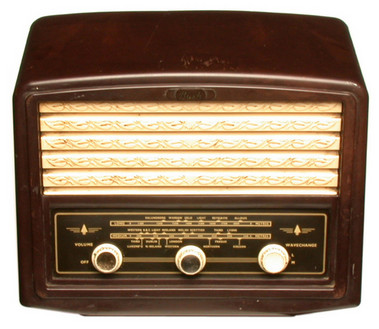
Image result for radios 1950s images

Let the memories cascade!

Aldermaston, CND, BBC, TV Westerns, Sputnik, Burgess and Maclean,

Never Had It So Good, Teddy Boys! Hula Hoops, Derek Bentley, Oh Boy!

Embed from Getty Images

*

Jack Good, Michael Miles, Take Your Pick (You did say yes, didn’t you?)

The Goons, Who is the third man? The Sky At Night, Poodle socks,


Much Binding, Brains Tust, Tom Finney, Keep Off The Bomb Site!

David Attenborough, Brighton Rock, Don Cockell, Kenneth Horne, Llandow,

Mortimer Wheeler, The Great Fog! Polio, Jackie Milburn, Rock around the clock.

Image result for tommy steele 1950s images

Lynmouth Flood, Wealdstone Railway Crash, Four Minute Mile, Hydrogen Bomb!

Ducks Arse! Hilary and Tenzing, Coronation, Nuclear Power, Dennis Compton,

England’s Won The Ashes! Tommy Farr, Magic Magyars, Rachman,

Image result for harold macmillan 1950s images

Riots in Nottingham Hill! Naked into the Conference Chamber, Mau Mau,

Malaya, Get Some In! ITV, Boom goes Bikini! Fanny Cradock, Jimmy Clitheroe,

Skylon, Films about the War, Morris Mini Minor, Tommy Cooper, Push and Run,

Festival of Britain, ‘He had a good war’, Victor and Hotspur and Hornet, The Mekon,


Gilbert Harding, Gilbert Ryle, Bertrand Russell, Tommy Steele, Skiffle, Sidney Miles,

It’s Trad Dad! Humphrey Lyttleton, Ken Colyer, 100 Club, Crane River Boys,

Lonnie Donnegan! Buster Crabbe, Angela Mortimer, Derek Ibbotson, Devon Loch!

Fred Trueman, Life With The Lyons, Take It From Here, Juke Box Jury, Busby Babes,

Image result for tony hancock 1950s images

Hancock’s Half-Hour! Whicker discovers the world! Under Milk Wood, Raymond Williams,

Pinky and Perky! Evening All, Cross at the Zebra, Klaus Fuchs, Laker takes all ten!

Six-Five Special coming right at you! Eamon’s got the big red book! Munich crash,

VHF, Quatermass, Muir and Norden, Galton and Simpson, Kitchen Sink!

Waiting For Godot, Cliff Michelmore, Coffee Bars, Don’t Look Back In Anger,

Image result for diana dors 1950s images

Pillar Box War, Gunnister Man, Clyde win the cup! Stratocruiser crash, Eddie Thomas,

Cumbernauld, Auchengeich, Hibs Famous Five! Listen With Mother, Under Milk Wood,

Silverstone, The Archers, Korea, The Turing Test, Narnia comes alive! Corgi Cars,

Gormenghast, Dennis the Menace, ‘It’s an X!’, Easington, Randy Turpin,

Billy Budd, Study for your Os and As and you’ll get on, Pevsner’s Guides,

Watch out for the Triffids! Princess Victoria sinks, 10 Rillington Place, James Bond!

Matthews and Mortensen, Gordon wins at last! Piltdown Man’s a fake,

Image result for stirling moss 1950s images

Down With Skool! Ton Up Boys! Here come the Teenagers!

Maidie and Murray, Terry Thomas, Philosophical Investigations, Omo and Daz,

Let’s all look back at The Good Old Days! Now we can read Linear B!

Fings Aint What They Used To Be! Royal Court, Chiz, Diana Dors, Cliff Morgan,

Ash On A Young Man’s Sleeve, Aneurin Bevan, Empire Games,

No more rationing! Who do you think you are – Stirling Moss?

That’s all from Tonight for tonight – until tomorrow night goodnight!

Image result for the goons 1950s images